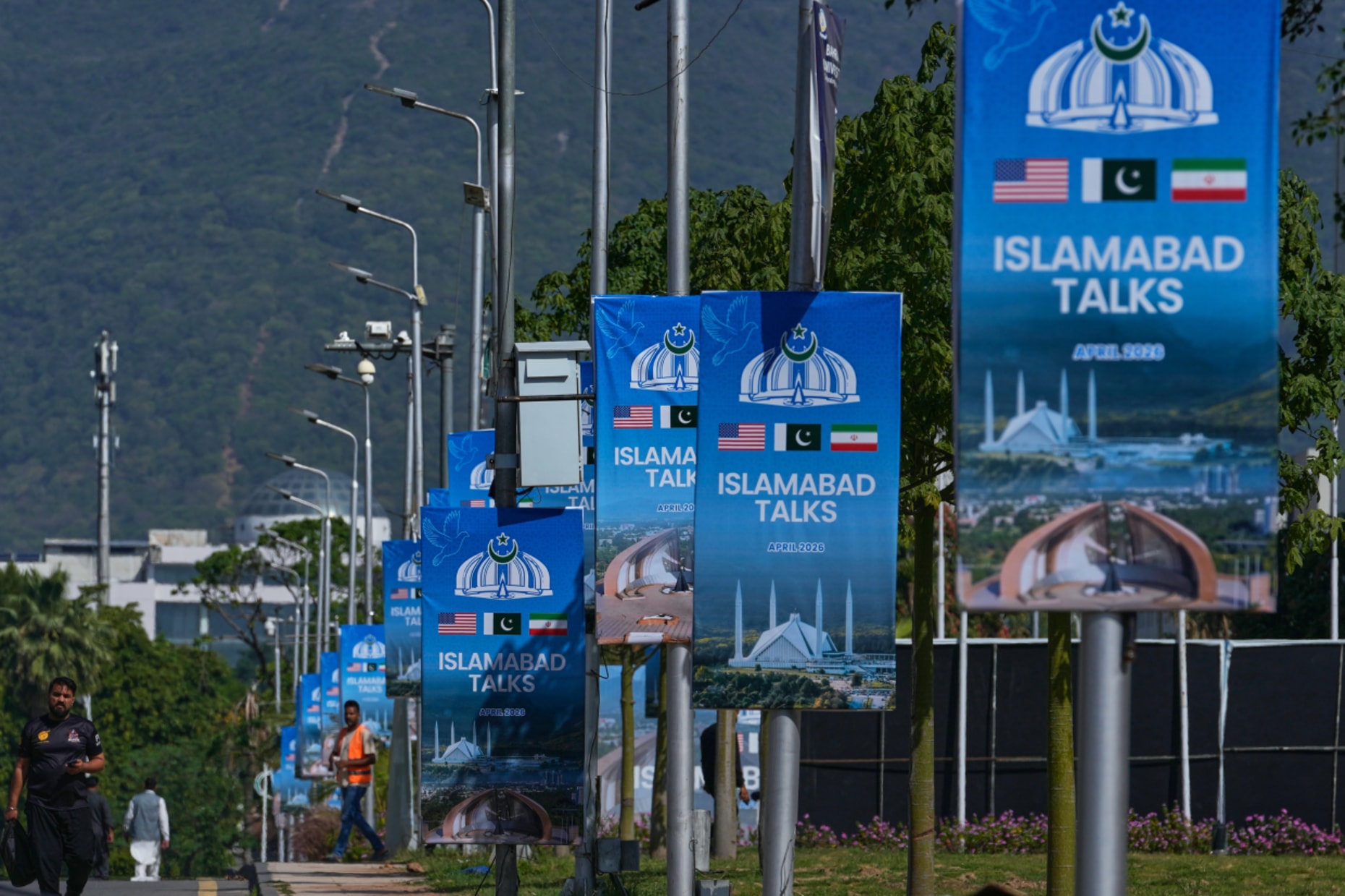
Trump Unlikely to Extend Cease-Fire as Deadline Looms
Introduction
As geopolitical tensions remain high, all eyes are on Donald Trump and his stance on a looming cease-fire deadline. Recent signals suggest that an extension of the agreement is increasingly unlikely, raising concerns about renewed conflict and instability. This development has sparked debate among policymakers, analysts, and global observers, all trying to assess what comes next.
In this article, we’ll break down the situation, explore the factors influencing Trump’s decision, and examine the potential consequences if the cease-fire is not extended.
- Background: Understanding the Cease-Fire Agreement
Cease-fire agreements are typically temporary arrangements designed to halt hostilities between opposing sides. They often serve as a stepping stone toward more permanent peace negotiations. However, such agreements are fragile by nature and heavily dependent on political will and strategic interests.
The current cease-fire in question was implemented amid escalating tensions, providing a brief pause in conflict. While it initially brought relief and reduced violence, underlying disagreements were never fully resolved.
As the deadline approaches, the lack of progress in negotiations has become increasingly evident.
Why Trump May Not Extend the Cease-Fire
1. Strategic Leverage
One key reason Trump may hesitate to extend the cease-fire is the desire to maintain strategic leverage. By allowing the agreement to expire, pressure can be placed on opposing parties to make concessions.
Trump has historically favored negotiation tactics that rely on unpredictability and pressure, often using deadlines as a tool to force outcomes.
2. Domestic Political Considerations
Domestic politics also play a significant role. Decisions around foreign policy are often influenced by public opinion, party dynamics, and upcoming elections.
Taking a hardline stance may appeal to certain voter bases that prioritize strength and decisiveness over compromise.
3. Lack of Tangible Progress
Another critical factor is the perceived lack of progress during the cease-fire period. If negotiations have stalled or failed to produce meaningful results, extending the agreement may be seen as unproductive.
From this perspective, ending the cease-fire could be viewed as a way to reset the situation or force new dynamics.
4. Pressure from Advisors and Allies
Political advisors and international allies can also influence decision-making. Some may advocate for a tougher approach, arguing that continued restraint could weaken negotiating power.
Global Reactions to the Potential Decision
Concern from International Leaders
World leaders are closely monitoring the situation, with many expressing concern over the potential end of the cease-fire. A return to conflict could destabilize the region and have ripple effects across global markets.
Economic Implications
Markets often react negatively to uncertainty. The possibility of renewed conflict could lead to fluctuations in energy prices, supply chain disruptions, and investor anxiety.
Humanitarian Impact
Perhaps the most significant concern is the humanitarian impact. Cease-fires often provide critical relief to civilians, allowing access to aid and reducing casualties. Without an extension, vulnerable populations may once again face severe risks.
Potential Outcomes if the Cease-Fire Ends
1. Resumption of Hostilities
The most immediate consequence would likely be a return to active conflict. This could escalate quickly, depending on the readiness and intentions of the involved parties.
2. Increased Diplomatic Efforts
Ironically, the end of a cease-fire can sometimes trigger renewed diplomatic efforts. International organizations and mediators may step in to prevent further escalation.
3. Shifts in Alliances
Geopolitical dynamics could shift as countries reassess their positions and alliances. This could lead to new partnerships or increased tensions among global powers.
4. Long-Term Instability
If the situation is not managed effectively, the region could face prolonged instability, affecting not only local populations but also global security.
What This Means for U.S. Foreign Policy
Trump’s decision—whether to extend the cease-fire or not—will have broader implications for U.S. foreign policy.
A refusal to extend could signal a more aggressive stance, emphasizing strength and unilateral decision-making. On the other hand, it could also raise questions about the U.S.’s role as a mediator in international conflicts.
This moment may serve as a defining example of how future administrations approach similar situations.
Expert Opinions and Analysis
Political analysts remain divided on the issue. Some argue that ending the cease-fire is a calculated move designed to break negotiation deadlocks. Others warn that it could backfire, leading to unnecessary escalation.
Many experts agree on one point: the situation is highly unpredictable, and outcomes will depend on how all parties respond in the coming days.
Conclusion
As the cease-fire deadline approaches, the likelihood of an extension appears increasingly slim. Donald Trump seems poised to take a firm stance, potentially allowing the agreement to expire in pursuit of greater strategic leverage.
While this decision may align with certain political and tactical goals, it carries significant risks. From renewed conflict to humanitarian crises and economic instability, the consequences could be far-reaching.
Ultimately, the coming days will be critical in determining whether diplomacy can prevail—or whether the world must brace for another chapter of conflict.
FAQs
1. Why is Trump unlikely to extend the cease-fire?
Trump may see ending the cease-fire as a way to increase pressure on opposing parties, especially if negotiations have stalled or failed to produce meaningful results.
2. What happens if the cease-fire expires?
If the cease-fire ends, hostilities could resume, leading to potential escalation, humanitarian issues, and global economic impacts.
3. Are there chances of last-minute negotiations?
Yes, last-minute diplomatic efforts are always possible, especially in high-stakes situations. However, success depends on the willingness of all parties to compromise.
4. How does this affect global stability?
The end of a cease-fire can destabilize regions and create ripple effects globally, including economic uncertainty and shifting political alliances.
5. What role does the U.S. play in this situation?
The U.S., under Trump’s leadership, plays a significant role in shaping the outcome through its diplomatic strategies and policy decisions.